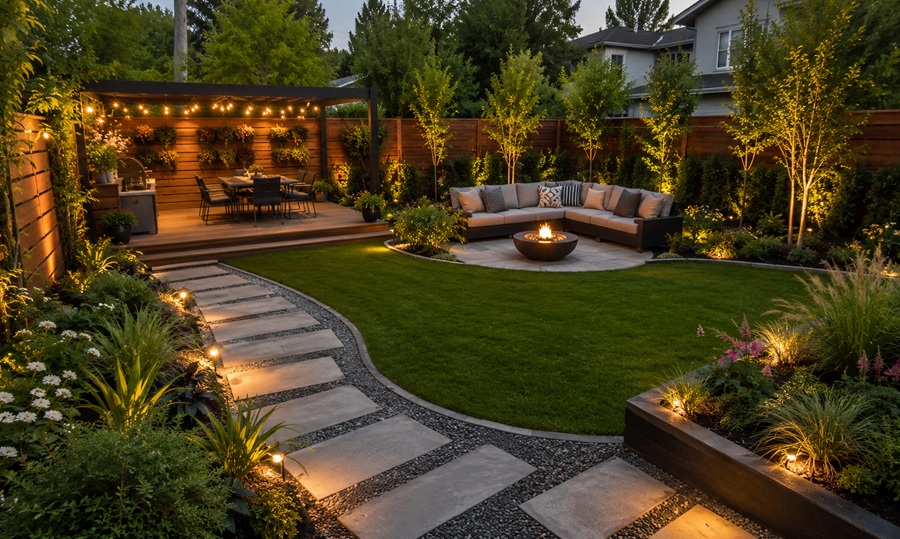
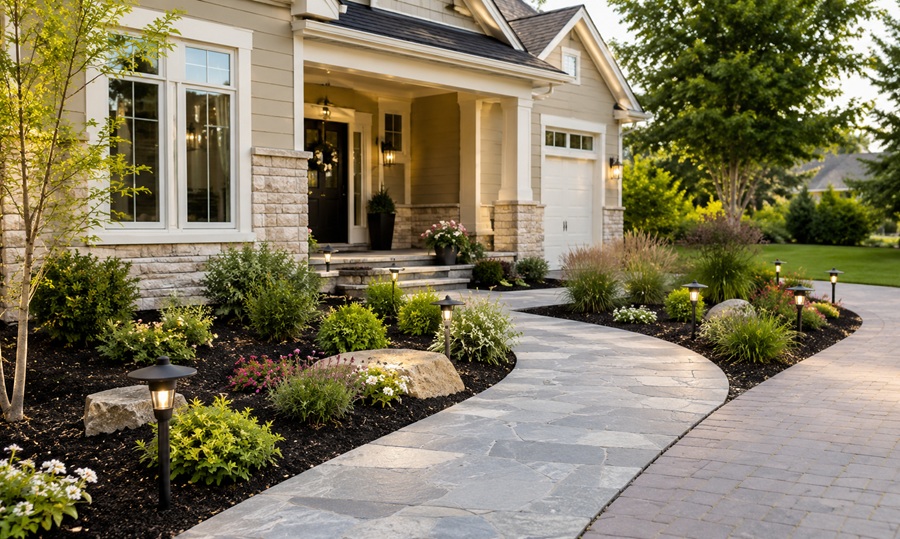
Quick Answer: The best outdoor lights for a patio depend on your setup — string lights work well for ambiance over dining or seating areas, solar path lights suit low-traffic borders, and wall-mounted sconces or lanterns give consistent light near entryways. Look for IP65-rated, weatherproof fixtures rated for outdoor use year-round.
Best Outdoor Lights for Patio
Choosing patio lighting comes down to answering one question honestly: are you lighting a space for function, for mood, or for both? Most patios need a mix.
Types of Patio Lights Compared
| Light Type | Best For | Power Source | Typical Cost |
| String Lights | Ambiance over seating/dining | Plug-in or solar | $ |
| Lanterns | Tabletop or hanging accent | Battery, candle, solar | $ |
| Wall Sconces | Entryways, permanent lighting | Hardwired | $ |
| Post/Path Lights | Borders, walkways | Solar or low-voltage wired | $ |
| Spotlights | Highlighting trees or features | Hardwired | $ |
How to Choose the Right Option
Step 1 — Identify the primary use. Dining and lounging areas benefit most from soft, diffused overhead light, like string lights or lanterns. Walkways need brighter, direction-focused light for safety.
Step 2 — Check the weather rating. Look for an IP65 rating or higher if the fixture will be fully exposed to rain and sun; IP44 is generally the minimum for a covered patio.
Step 3 — Decide between solar and wired. Solar lights are easier to install and cost nothing to run, but performance drops in cloudy climates or shaded patios. Wired or plug-in options give consistent brightness regardless of weather.
Step 4 — Match the light temperature to the mood. Warm white (2700K–3000K) reads as cozy and traditional; cooler white (4000K+) reads as modern and crisp.
By Light Type
String Lights
Best hung between two anchor points — a pergola, posts, or the house and a tree. Look for shatterproof bulbs if you have kids or pets nearby.
Lanterns
Great for tabletops or hooks along a railing. Battery-powered LED lanterns have gotten realistic enough that open-flame versions are largely optional now.
Wall Sconces
Worth the installation cost if you’re lighting a permanent seating or entry area — they don’t require charging or bulb swaps as often as string lights.
Installation Tips
- Keep string light runs under the manufacturer’s max wattage rating to avoid tripped breakers
- Use outdoor-rated extension cords only, and keep connections off the ground
- Mount solar lights where they’ll get at least 6 hours of direct sun for reliable charging
- Space path lights 6–8 feet apart for even, non-glaring coverage
Safety Note: Never run indoor-rated string lights outdoors, even temporarily. Outdoor-rated fixtures are sealed against moisture in ways indoor lights aren’t, and the fire risk isn’t worth the shortcut.
Energy Use and Ongoing Costs
LED options have largely made older incandescent patio lighting obsolete, both for string lights and fixed sconces, since they use a fraction of the energy for comparable brightness and rarely need bulb replacement for years at a time. Solar fixtures cost nothing to run day to day, but the batteries inside them do wear out — usually every one to three years depending on quality — so factor that replacement cost into any long-term comparison against wired options.
Seasonal Maintenance
Patio lighting takes a beating from weather even when it’s rated for outdoor use. A quick seasonal check is worth the ten minutes it takes: look for cracked housings, corroded battery contacts on solar units, and any string light sockets showing water intrusion. Clean solar panels periodically too — a layer of dust or pollen can meaningfully cut into charging efficiency without being obvious just from looking at the light output at night.
FAQs
Do solar patio lights work in winter?
Yes, but expect reduced runtime due to shorter daylight hours and lower sun angles — battery capacity may also dip in cold temperatures.
How many lumens do I need for a patio?
For ambiance, 100–200 lumens per fixture is typical; for functional walkway lighting, look closer to 300+ lumens per fixture.
Can I leave outdoor string lights up year-round?
Yes, as long as they’re rated for outdoor use and the wiring/sockets show no wear — inspect annually.
What’s the difference between IP44 and IP65 ratings?
IP44 protects against splashes, suitable for covered areas; IP65 protects against direct rain and dust, better for fully exposed patios.
Are warm white or cool white lights better for patios?
Warm white is generally preferred for relaxing, social spaces; cool white suits task-oriented areas like grilling stations.
Final Take
Start with how you actually use your patio — dinners, quiet mornings, parties — and let that decide the fixture type before you worry about style. The right lighting plan usually mixes two categories: one for ambiance, one for function.