Quick Answer
The biggest mistakes buyers make with Victorian era houses involve skipping specialized inspections, underestimating restoration costs, and misunderstanding historic district rules. Avoiding these pitfalls comes down to budgeting realistically, hiring inspectors experienced with older homes, and researching a property’s legal restrictions before making an offer.
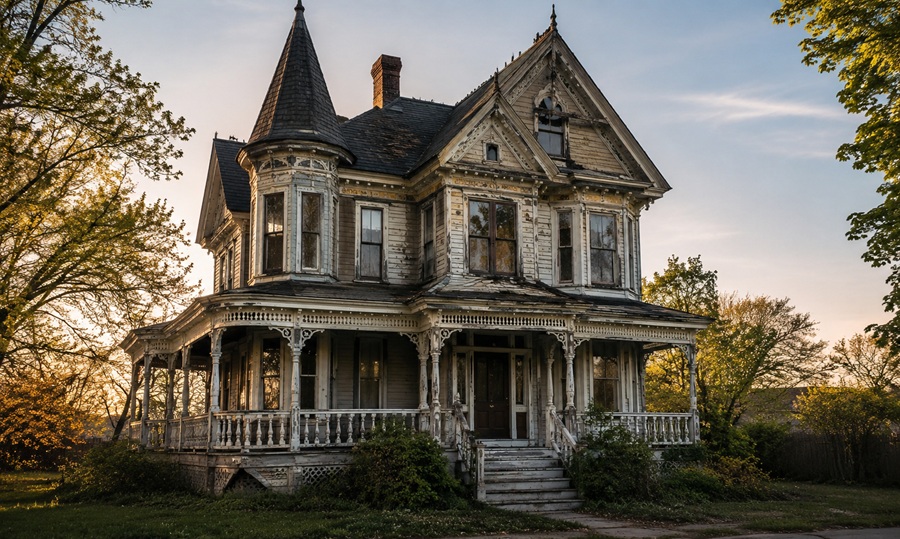
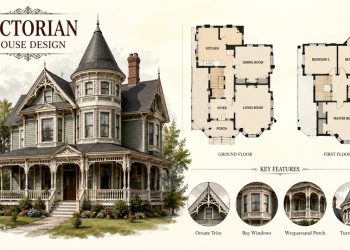
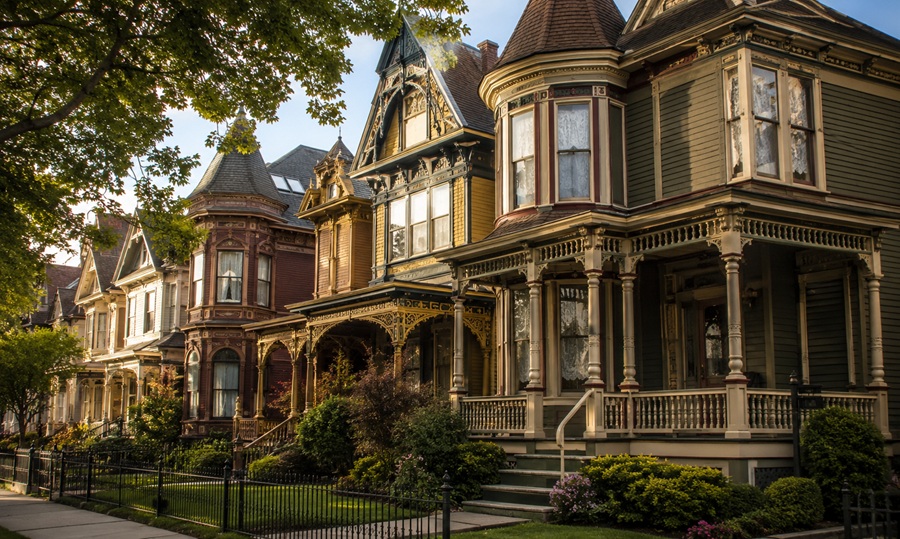
Victorian era houses have a way of winning buyers over before the logical part of their brain catches up. The turret, the porch, the stained glass transom above the door, it’s easy to fall for the romance and skip past questions a standard home purchase would never let you overlook.
That emotional pull is exactly why so many buyers stumble into the same predictable mistakes. This guide walks through seven of the most common missteps people make when buying Victorian era houses, paired with what experienced buyers and restoration professionals do instead.
Mistake 1: Skipping a Specialized Historic Home Inspection
A standard home inspector checks the basics, but Victorian era houses hide problems that only someone experienced with pre-1900 construction knows to look for. Knob-and-tube wiring buried behind plaster, undersized structural beams, and settled foundations are easy to miss without the right expertise.
The better alternative is hiring an inspector who specifically lists historic or pre-war homes as part of their regular work. Ask directly how many Victorian-era properties they’ve inspected in the past year, and request that they pay particular attention to knob-and-tube wiring, galvanized plumbing, and masonry foundation cracking.
Mistake 2: Underestimating Restoration Costs
Buyers often budget for cosmetic updates and get blindsided by structural or systems work that costs far more. Replacing original slate roofing, repairing plaster walls, or updating a full electrical panel can each represent a significant portion of a home’s value, and Victorian houses often need several of these at once.
A smarter approach is building a restoration budget before making an offer, not after closing. Get preliminary estimates from contractors experienced in historic work for the systems most likely to need attention: roofing, electrical, plumbing, and structural. Add a contingency on top of those estimates, since older homes routinely reveal additional issues once walls are opened up.
Mistake 3: Ignoring Historic District Restrictions
Some Victorian era houses sit within designated historic districts, which can require approval from a local preservation board before making exterior changes, including paint color, window replacement, and roofing material. Buyers who skip this research sometimes discover after closing that a planned renovation isn’t allowed as envisioned.
Before making an offer, check with the local planning or historic preservation office to confirm whether the property carries any designation, and ask specifically what changes require approval. This research takes a single phone call or online search and can save months of renovation delays later.
Mistake 4: Assuming Original Details Are in Good Condition
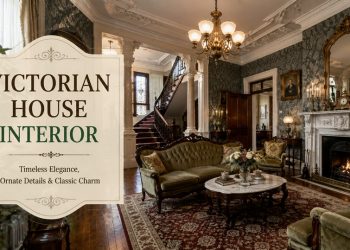
Original woodwork, stained glass, and plaster ceiling medallions are a major part of what makes Victorian era houses appealing, but their presence doesn’t guarantee good condition. Decades of moisture, sun exposure, and prior ‘quick fix’ repairs can leave original details structurally compromised even when they look intact from a distance.
The fix here is simple: don’t take original details at face value. Have your inspector or a restoration specialist physically test them, checking for water damage behind trim, cracks in plaster, and whether stained glass panels are properly supported. Knowing true condition upfront prevents unpleasant surprises during the first renovation project.
Mistake 5: Overlooking Foundation and Structural Settling
It’s common for Victorian era houses to show some degree of settling after well over a century, and minor settling is often cosmetic rather than dangerous. The mistake is failing to distinguish normal aging from active structural movement, which can be costly to correct if left unaddressed.
Ask your inspector to specifically evaluate whether foundation cracks are stable or actively widening, and request a structural engineer’s opinion for any property showing significant sloping floors or visible masonry separation. This distinction alone can be the difference between a manageable purchase and a financial mistake.
Mistake 6: Forgetting to Budget for Energy Efficiency Upgrades
Victorian era houses were built long before modern insulation standards, and buyers frequently underestimate how much heating and cooling costs will run compared to a newer home. Single-pane windows, uninsulated walls, and drafty original doors all contribute to higher utility bills.
Price out insulation upgrades, storm windows, or a high-efficiency HVAC system before you close, not after the first winter bill arrives. Buyers who build these costs into the initial purchase budget tend to find the investment pays for itself within a few years through lower utility bills.
Mistake 7: Not Researching Regional Maintenance Needs
Buyers relocating from a different climate sometimes underestimate how regional weather affects Victorian era houses specifically. A home that thrived in a dry climate for a century can develop rot or mold issues quickly once moved into a humid region’s maintenance routine, and vice versa for a home unaccustomed to freeze-thaw cycles.
Talk to local contractors and neighbors about the specific maintenance challenges Victorian houses face in your target region, whether that’s managing humidity in coastal areas, snow load on older roofing in northern climates, or UV-related trim deterioration in sun-heavy regions. Local knowledge here is often more valuable than general research.
Frequently Asked Questions
1. Is it worth buying a Victorian era house?
It can be a great investment for buyers who go in with realistic expectations about maintenance costs and are drawn to the architectural character. The key is budgeting for restoration work upfront rather than treating it as a move-in-ready purchase.
2. How much does it cost to renovate a Victorian house?
Costs vary widely based on condition and scope, but major systems work like electrical, plumbing, and roofing can each represent a substantial portion of the home’s value. Getting contractor estimates before closing is the most reliable way to budget accurately.
3. Do Victorian era houses need special inspections?
Yes, a standard home inspection often misses issues specific to century-old construction. Hiring an inspector experienced with historic homes helps catch problems like outdated wiring, structural settling, and hidden water damage that general inspectors may overlook.
4. Can I renovate a Victorian house in a historic district?
Yes, but exterior changes typically require approval from a local historic preservation board first. Interior renovations are usually less restricted, though it’s worth confirming local rules before finalizing any renovation plans.
5. What’s the biggest red flag when buying a Victorian house?
Active structural movement, such as widening foundation cracks or significantly sloping floors, is one of the most serious red flags. It’s different from normal cosmetic settling and typically warrants a structural engineer’s evaluation before moving forward with a purchase.