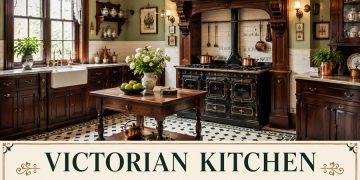
Walk into a well-preserved Victorian home and the first thing you’ll likely notice is how much is happening at once: patterned wallpaper, dark carved furniture, layered textiles, and decorative objects covering nearly every surface. That’s not clutter by accident. Victorian interior design followed a fairly specific set of principles built around layered pattern, rich color, and a formal approach to how each room was used, and understanding that logic will get you much further than simply adding antique furniture to a room.
What Are the Core Principles of Victorian Interior Design?
Victorian design, spanning roughly 1837 to 1901, was heavily influenced by industrialization, which made decorative elements like patterned wallpaper, carved woodwork, and upholstered furniture more affordable and accessible than in previous eras. The result was interiors that favored abundance over restraint, layering multiple patterns, dark wood furniture, heavy drapery, and collected objects into a single room. A clear sense of formality ran through the whole house too, since specific rooms were designated for specific purposes rather than serving multiple functions the way many rooms do today.
How Should a Victorian Entryway Look?
Victorian entryways were meant to make an impression the moment a guest walked in. Patterned tile floors, often in encaustic cement tile, were common, along with wainscoting or wallpaper on the walls and a substantial hall tree or coat rack for guests. Dark wood trim and a runner rug down the hallway are both period-appropriate touches, and a decorative transom window above the front door was a common way to bring in natural light without sacrificing privacy.
What Defines a Victorian Parlor or Living Room?
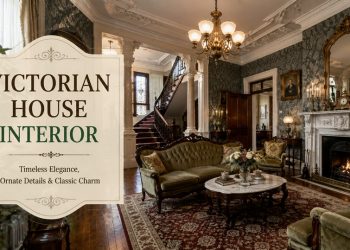
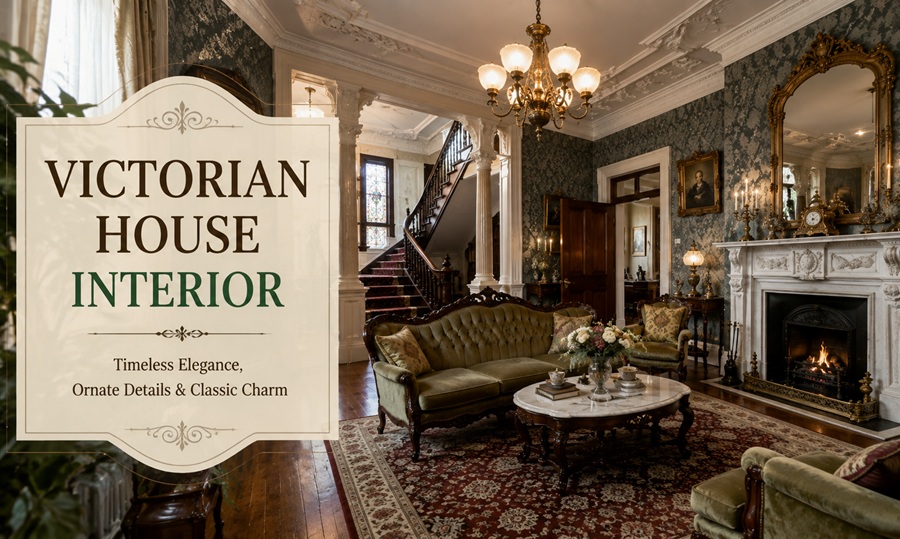
The parlor was the most formal room in a Victorian home, used for entertaining guests rather than everyday family life. Expect deep jewel tones like burgundy, emerald, and navy, paired with dark wood furniture featuring carved details and curved legs. Fringed lampshades, tasseled curtains, and an abundance of small decorative objects, often called “Victorian clutter,” are all authentic touches. A fireplace with an ornate mantel typically anchors the room, and many Victorian parlors also included a piano, since music was a common form of home entertainment at the time.
What Does a Victorian Dining Room Include?
Dining rooms leaned formal as well, with a large wood table, upholstered or carved dining chairs, and a matching sideboard or china cabinet for displaying tableware. Wallpaper with a damask or floral pattern was common, often paired with a picture rail near the ceiling that allowed artwork to be hung without damaging the plaster walls. A chandelier or gasolier, the gas-powered predecessor to the electric chandelier, typically served as the room’s centerpiece.
What Does a Victorian Bedroom Look Like?
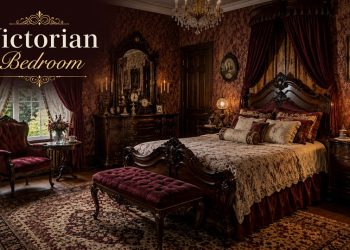
Victorian bedrooms tended to be softer than the more dramatic public rooms downstairs, though still richly decorated. Iron or wood four-poster beds, floral wallpaper, and lace or linen textiles were standard. Wardrobes were essential since built-in closets weren’t common yet, and a washstand with a basin and pitcher was typical before indoor plumbing became widespread in bedrooms.
What Does a Victorian Bathroom Include?
Indoor plumbing became more widespread during the Victorian era, and bathrooms of the period often featured clawfoot tubs, pedestal sinks, and patterned tile floors, frequently in black and white hexagon or checkerboard patterns. Wainscoting, often in beadboard, and brass or nickel fixtures with an aged finish both help reinforce the look in a modern recreation of the style.
What Does a Victorian Home Office or Library Include?
Wealthier Victorian homes often included a study or library, typically finished with dark wood paneling, built-in bookshelves, and a large wood desk. Leather upholstered chairs, a globe, and a fireplace were common furnishings, and the overall mood leaned masculine and formal compared to the softer bedrooms elsewhere in the house.
How Do Materials and Colors Compare Across Victorian Rooms?
| Room | Typical Wall Treatment | Typical Colors |
|---|---|---|
| Entryway | Patterned tile, wainscoting | Dark wood tones, neutral base |
| Parlor | Damask or floral wallpaper | Burgundy, emerald, navy |
| Dining room | Damask wallpaper with picture rail | Deep reds, golds |
| Bedroom | Floral wallpaper or solid paint | Softer tones like rose, sage, cream |
| Bathroom | Patterned tile, beadboard | Black and white, or soft neutrals |
How Do You Choose Furniture for a Victorian-Style Room?
Authentic Victorian furniture tends to feature curved lines, carved detailing, and dark wood finishes, with upholstered pieces in velvet or a similarly rich fabric. If sourcing genuine antiques isn’t practical, reproduction furniture or pieces from other eras with similarly ornate detailing can achieve a comparable look. Mixing in one or two genuinely antique pieces, even alongside newer reproductions, tends to read as more authentic than an entirely new furniture set.
How Can You Bring Victorian Style Into a Modern Home?
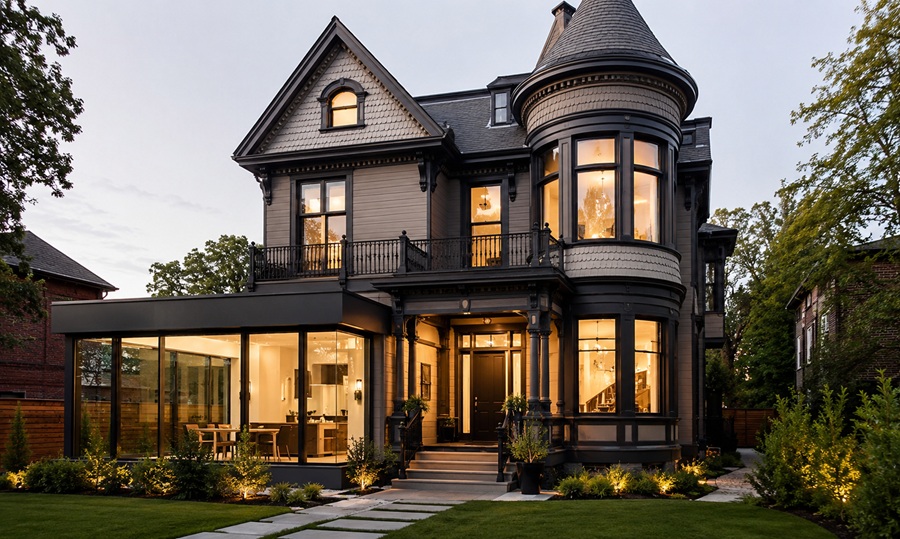
You don’t need an actual Victorian-era house to use elements of the style. A single accent wall in a deep jewel tone, a piece of antique or antique-style furniture, or patterned wallpaper in a powder room can introduce the look without committing an entire home to it. A few approachable starting points:
- Adding a single wallpapered accent wall in a floral or damask pattern
- Swapping standard door hardware for aged brass or bronze finishes
- Introducing one antique or antique-style furniture piece as a focal point
- Layering in velvet or fringed textiles through pillows and throws
What Should You Know Before Restoring an Original Victorian Interior?
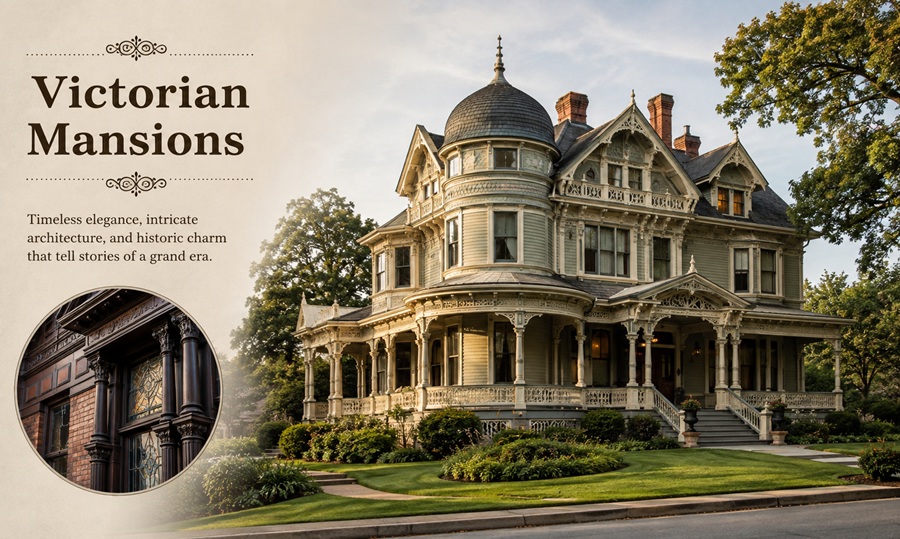
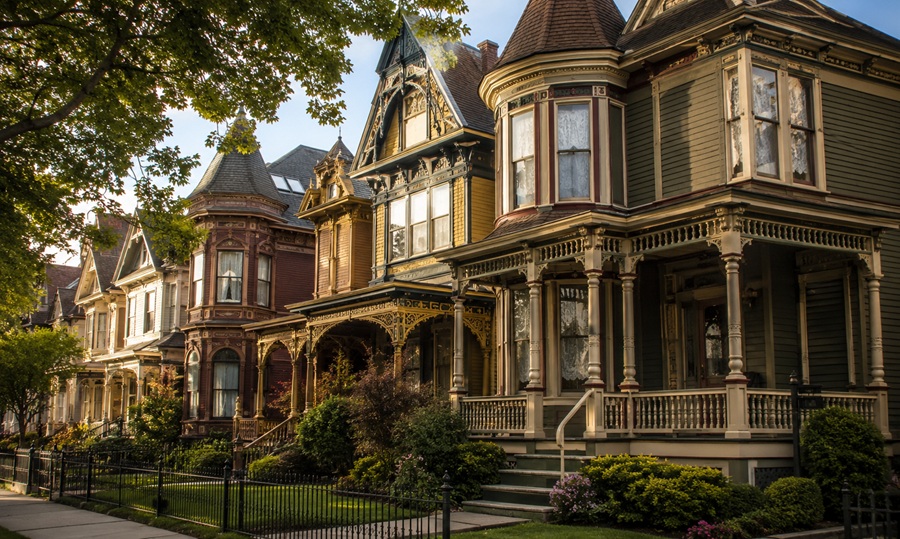
If you’re restoring an original Victorian home, it’s worth researching what your specific house’s subtype, such as Queen Anne or Italianate, typically included, since interior details did vary somewhat by region and by the wealth of the original owner. It’s also worth checking whether any original plaster molding, hardwood flooring, or millwork survives under later renovations, since these details are often difficult and costly to reproduce once removed.
What Should You Know Before Decorating a Victorian Interior?
-
Do all the rooms need to match?
No. Historically, Victorian rooms were decorated individually based on their purpose, so a formal parlor and a softer bedroom naturally looked quite different from one another within the same house.
-
Is the style too dark for a small home?
Not necessarily. Softer colors like cream, dusty rose, or sage, paired with dark wood accents rather than dark walls throughout, can bring in Victorian character without overwhelming a smaller space.
-
What’s the fastest way to add character to a rental?
Removable wallpaper, area rugs, lighting fixtures, and framed art are all reversible options that can introduce pattern and warmth without any permanent changes to the walls or trim.
-
How do I know if my home’s interior details are original?
Comparing molding profiles, hardware, and flooring against the home’s known construction date, or consulting a local historic preservation society, can help determine whether specific details are original or were added later.
-
Can Victorian style mix with modern furniture?
Yes. Many homeowners pair one or two ornate, period-inspired pieces with simpler modern furniture rather than furnishing an entire room in a single era.