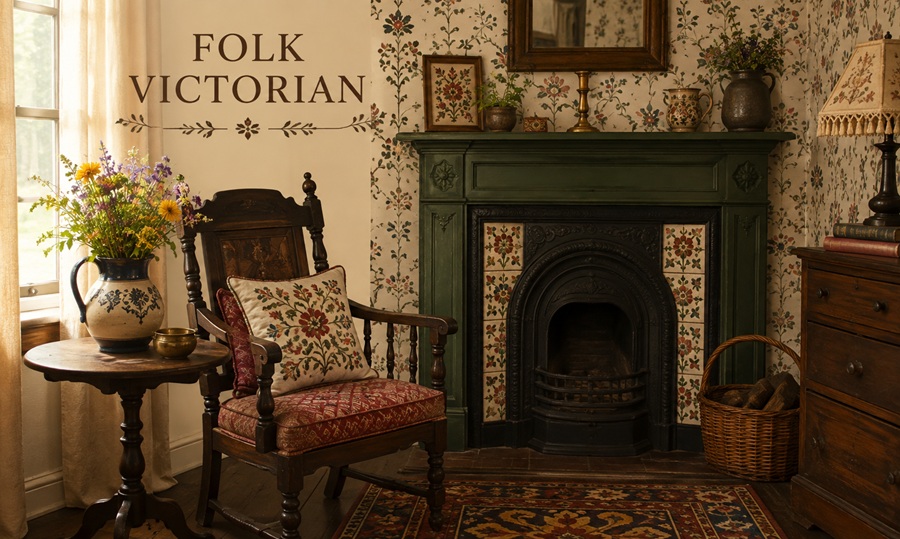
Discover how Victorian decorative traditions, religious symbolism, and treasured family possessions can bring timeless elegance and personal meaning to modern interiors.
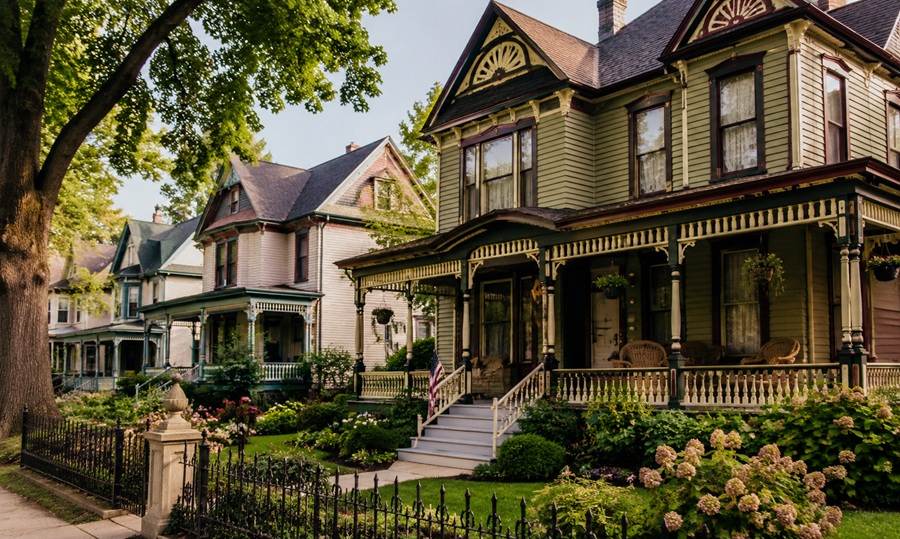
Victorian homes are admired for their intricate details, rich materials, and distinctive sense of history. From carved wooden furniture and ornate picture frames to decorative fireplaces and carefully arranged collections, the Victorian style celebrates craftsmanship and personal expression.
Yet beyond its elaborate appearance, Victorian interior design also reflects the beliefs, traditions, and memories of the people who lived within these spaces.
During the nineteenth century, religious objects, family portraits, sentimental keepsakes, and inherited possessions frequently occupied important places in domestic life.
Today, homeowners can draw inspiration from these traditions to create welcoming interiors that combine Victorian elegance with Christian faith and meaningful family heirlooms.
The Role of Faith in Victorian Home Interiors
Religion influenced many aspects of domestic life during the Victorian era, particularly in Christian households.
Family Bibles, religious artwork, framed scripture, and devotional objects could serve both spiritual and decorative purposes.
Rather than being confined to churches, religious symbolism often appeared in private living spaces, reflecting the values and beliefs of the household.
Christian crosses were especially meaningful, representing the sacrifice of Jesus Christ, redemption, and the promise of eternal life.
In a Victorian-inspired home, these symbols can still contribute to an atmosphere of reflection while complementing traditional decorative elements.
A carved wooden cross displayed above an antique console, for example, can harmonize with dark furniture, patterned wallpaper, and richly detailed picture frames.
The goal is not to recreate a nineteenth-century interior exactly, but to preserve its appreciation for meaningful objects and thoughtful craftsmanship.
Traditional Victorian Decorative Elements and Their Meanings
Victorian interiors often incorporated objects chosen for their beauty, sentimental associations, or religious significance.
Many of these elements remain suitable for contemporary homes inspired by nineteenth-century design.
| Decorative Element | Historical or Symbolic Association | Suggested Placement |
|---|---|---|
| Ornate wooden cross | Christian faith and devotion | Entryway or living room |
| Framed religious artwork | Biblical themes and spiritual reflection | Above a mantel or reading chair |
| Antique family Bible | Religious tradition and family heritage | Bookshelf or display cabinet |
| Decorative picture frames | Family remembrance and personal identity | Hallway or living room |
| Vintage jewelry box | Sentimental possessions and treasured keepsakes | Bedroom dresser |
| Carved wooden furniture | Victorian craftsmanship and decorative elegance | Living room or study |
Combining these objects thoughtfully allows homeowners to create interiors that feel both historically inspired and personally meaningful.
Creating a Victorian-Inspired Living Space With Religious Symbolism
A successful Victorian-inspired interior begins with materials, textures, and carefully chosen decorative details.
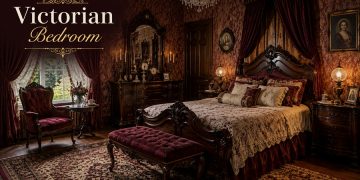
Rich wooden furniture, warm lighting, patterned fabrics, and decorative frames can establish a traditional atmosphere without requiring a complete renovation.
Deep green, burgundy, warm cream, and muted gold are particularly compatible with Victorian-inspired interiors.
Religious decorations can then be integrated naturally into the overall design.
For example, a small wooden cross may be displayed beside a framed family photograph, while an antique-style Bible can complement a collection of classic books.
Several principles help maintain visual balance:
- Choose meaningful focal points. A decorative cross or religious painting can anchor an arrangement above a fireplace or sideboard.
- Combine complementary materials. Dark wood, brass, ceramic, and aged metal finishes work well in Victorian-inspired spaces.
- Use decorative frames thoughtfully. Ornate frames can bring historical character to religious artwork and family photographs.
- Avoid excessive clutter. Even richly decorated Victorian interiors benefit from carefully organized displays.
- Incorporate personal history. Family heirlooms and inherited religious objects make a room more individual than purely decorative accessories.
These details encourage a sense of continuity between the past and present.
Displaying Religious Jewelry and Family Heirlooms
Sentimental possessions played an important role in Victorian domestic culture.
Lockets, engraved jewelry, family photographs, and small personal keepsakes could preserve memories of loved ones and important life events.
Today, these objects can become beautiful additions to traditional bedrooms, dressing tables, and display cabinets.
An antique-style jewelry box placed on a wooden dresser may hold a cherished cross necklace inherited from a grandparent. A glass display case can showcase meaningful pieces while protecting them from dust and unnecessary handling.
Contemporary accessories, including cross jewelry by Crystia Jewelry, can also be incorporated into carefully arranged displays inspired by these traditions, connecting personal faith with the decorative character of a Victorian-style home.
For a balanced arrangement, consider combining a few carefully selected objects:
- A vintage wooden or velvet-lined jewelry box.
- A cross pendant or religious medal.
- A small framed family photograph.
- An inherited prayer book or family Bible.
- A decorative ceramic or brass tray.
Such displays work particularly well on bedroom dressers, small side tables, and inside glass-fronted cabinets.
They allow meaningful objects to remain part of everyday surroundings rather than being hidden away in storage.
Delicate jewelry should nevertheless be protected from direct sunlight, moisture, and unsuitable storage materials.
Blending Victorian Elegance With Modern Comfort
A Victorian-inspired home does not need to resemble a historical museum.
Modern homeowners can incorporate selected nineteenth-century influences while maintaining the comfort and practicality of contemporary living.
For example, an antique wooden sideboard can complement neutral walls and modern lighting, while a traditional cross or framed religious print adds personal meaning to the arrangement.
In a bedroom, a vintage-inspired mirror, textured bedding, and a decorative jewelry box may provide enough historical character without overwhelming the space.
The same approach works in reading corners, hallways, and home offices.
Rather than filling every available surface, homeowners can select a limited number of significant objects and give each one room to be appreciated.
This creates a thoughtful balance between Victorian richness and contemporary simplicity.
Preserving Family Traditions Through Home Décor
One of the most enduring aspects of Victorian domestic culture was the importance attached to family memories and treasured possessions.
Objects inherited from previous generations could represent affection, remembrance, religious commitment, or significant personal experiences.
A family Bible containing handwritten notes, a cross received during a religious milestone, or an old photograph in an ornate frame can carry stories that extend far beyond their decorative value.
Incorporating these possessions into the home provides a way to preserve those connections.
It can also encourage conversations between generations about family history, Christian traditions, and the meaning behind particular objects.
Unlike mass-produced decorations selected solely to match a color scheme, heirlooms contribute a distinctive sense of identity.
A Home Where History, Faith, and Personal Meaning Meet
Victorian-inspired interior design offers more than ornate furniture and traditional decorative patterns.
It provides an opportunity to celebrate craftsmanship, religious heritage, and the sentimental importance of family possessions.
A carved cross above a mantel, a treasured necklace displayed in a jewelry box, or an inherited Bible placed on a bookshelf can each contribute to the story of a home.
By combining historical influences with personal beliefs and modern comfort, homeowners can create living spaces that feel elegant without becoming impersonal.
Ultimately, the most meaningful Victorian-inspired interiors are not defined by the number of antiques they contain, but by the memories, traditions, and values reflected in the objects chosen to fill them.