Decorating a home is often about finding the right balance between functionality and visual appeal. While furniture and lighting establish the foundation of an interior, decorative accessories bring personality and warmth to the space. Vases are particularly versatile because they can complement existing furniture, display fresh flowers, or serve as standalone decorative pieces.
Whether you live in an HDB flat, a condominium, or a landed property, a thoughtfully selected vase can make an ordinary surface feel more interesting. From a simple ceramic piece on a bedside table to a tall statement vase in the living room, the right design can enhance the atmosphere without requiring significant changes to the interior.
1. Choose a Vase That Matches Your Interior Style
The first step in selecting a vase is understanding the overall style of your home. Different shapes, colours, and finishes can influence how a decorative piece interacts with its surroundings.
For minimalist interiors, simple vases with clean lines and neutral colours are often suitable. White, beige, grey, and muted earth tones can complement understated furniture while maintaining a calm appearance.
If your home features contemporary furniture, consider sculptural vases with unusual silhouettes or textured surfaces. These pieces can become focal points even when displayed without flowers.
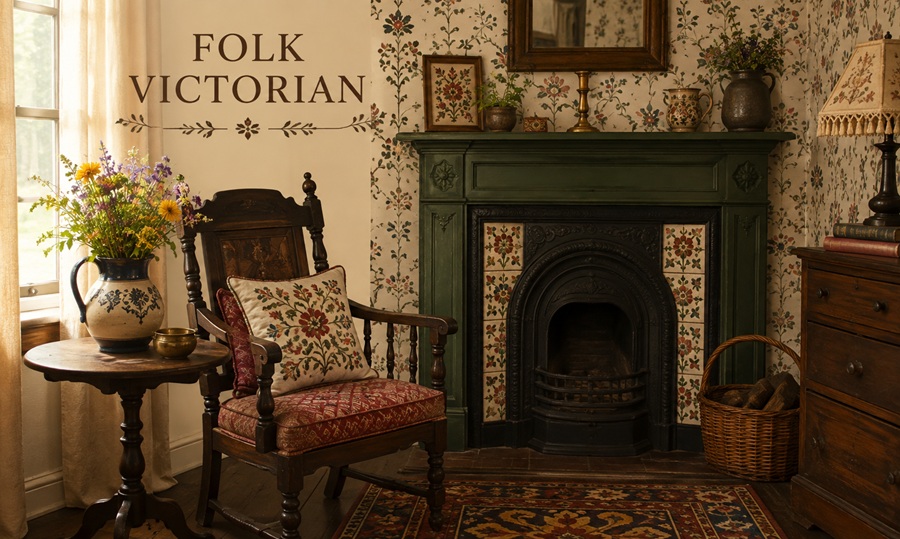
Traditional interiors may benefit from classic ceramic designs, decorative patterns, or more detailed finishes. Meanwhile, rustic spaces often pair well with textured pottery, natural materials, and irregular shapes that create a relaxed atmosphere.
There is no need to make every accessory match perfectly. Combining different materials and shapes can make a room feel more personal, provided the pieces share some visual connection through colour, texture, or overall style.
2. Consider the Material Before Making a Choice
The material of a vase affects its appearance, weight, durability, and maintenance requirements. Understanding these differences can help you choose a piece that suits both your decorative preferences and practical needs.
Ceramic vases are popular because they come in a wide range of shapes, sizes, and finishes. Their solid appearance works well with contemporary, traditional, and minimalist interiors. Glazed ceramic is generally suitable for holding water when the interior is properly sealed.
Glass vases offer a lighter visual appearance and allow the stems and water to remain visible. Clear glass can complement almost any colour scheme, while coloured or textured glass introduces additional character.
Stone and stoneware designs can provide a substantial, grounded appearance. They are particularly suitable for larger surfaces where a decorative piece needs enough visual weight to stand out.
Metal vases can introduce a contemporary or sophisticated touch, depending on their finish. However, it is worth checking whether the interior is suitable for water and whether the material requires special care.
In Singapore’s warm and humid environment, consider the manufacturer’s maintenance instructions and keep decorative pieces dry on the outside. Using a protective coaster beneath heavier vases can also help prevent scratches and water marks on furniture.
3. Select the Appropriate Size and Shape
The size of a vase should correspond to the surface on which it will be displayed. A large vase may look impressive on a spacious console table, but it can overwhelm a small bedside cabinet.
For coffee tables, shorter and wider vases are often practical because they add visual interest without obstructing conversations or views across the room. Dining tables can benefit from medium sized centrepieces that leave sufficient space for plates and serving dishes.
Tall vases work particularly well on console tables, sideboards, and selected floor spaces. They can introduce height to an arrangement and draw attention towards an otherwise empty area.
The shape should also complement the surrounding furniture. Rounded vases can soften interiors dominated by straight lines, while geometric designs can add structure to rooms with curved furniture and flowing shapes.
Before purchasing, measure the available surface and consider the vase’s stability. A wide base is especially useful when displaying long branches or flowers that may make the arrangement top heavy.
4. Coordinate Colours With Existing Decor
Colour coordination can help a vase feel like a natural part of the room. Instead of choosing a piece based entirely on personal preference, consider the shades already present in the furniture, curtains, rugs, and artwork.
Neutral vases are a versatile option because they work with a wide variety of interiors. A cream ceramic vase, for example, can complement a wooden sideboard, a neutral sofa, or a bedroom decorated in soft colours.
For a more noticeable effect, choose a vase that introduces contrast. A dark decorative piece can stand out against a light wall, while a muted green vase can add colour to a room featuring natural wood and beige upholstery.
Texture can be just as important as colour. A matte vase placed beside glossy furniture creates contrast, while a ribbed surface can add depth to an otherwise simple arrangement.
When exploring vase singapore collections, consider how each design will work with the colours, textures, and proportions already present in your home. This approach helps you choose accessories that enhance the interior rather than compete with it.
5. Decide Whether the Vase Will Hold Flowers
A vase can be both functional and decorative, but its design should suit its intended use.
If you regularly display fresh flowers, choose a vase with a waterproof interior and an opening that accommodates the stems comfortably. A narrow neck helps keep individual stems upright, while a wider opening allows a fuller bouquet to spread out.
For dried flowers and decorative branches, the requirements are slightly different. A vase with a narrow opening can support long stems, while a broader design may be suitable for larger arrangements. Ensure the base is stable enough to prevent tipping.
Some sculptural vases are intended primarily for decorative purposes. Their unusual shapes, surface details, or artistic finishes make them attractive even when empty.
If you prefer flexibility, check whether the vase can safely hold water before using it with fresh flowers. Some unglazed ceramics and decorative materials are porous and may require an inner container to prevent moisture from reaching the furniture.
6. Style Vases in Different Areas of the Home
Vases can be incorporated into several rooms, with the placement depending on the available space and the intended effect.
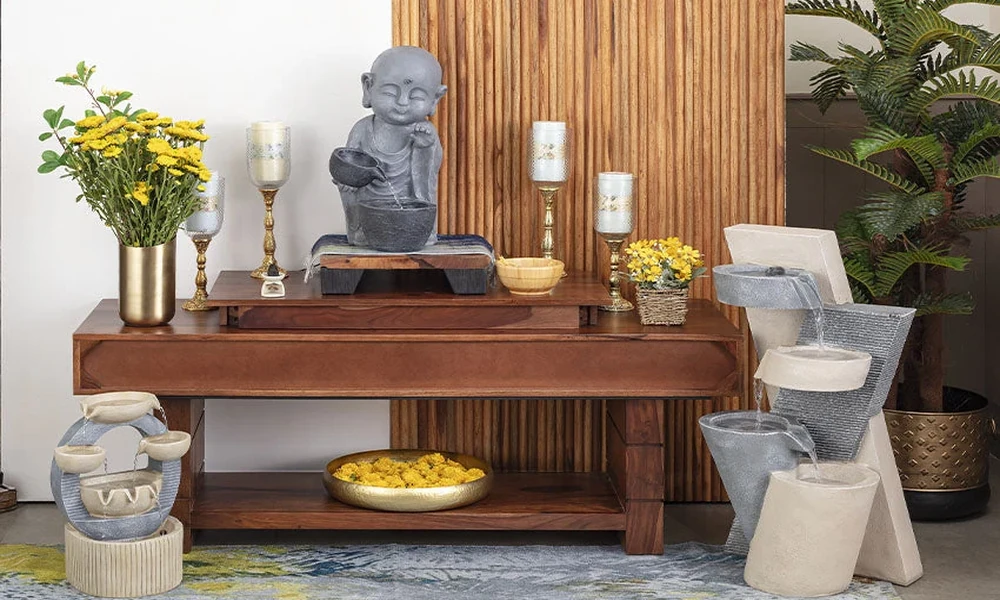
In the living room, a vase can become a focal point on a coffee table, sideboard, or console. Combining it with a small stack of books or another decorative object can create a balanced arrangement without making the surface look crowded.
Bedrooms generally benefit from smaller pieces that complement the bedding and furniture. A simple vase with a single stem can add a subtle decorative touch to a bedside table or dresser.
For dining areas, choose a design that enhances the table without interfering with everyday use. Low arrangements are particularly practical when family members or guests need to see one another across the table.
Entryways offer another opportunity to introduce decorative details. A vase placed on a console table can create a welcoming first impression, especially when paired with a mirror or framed artwork.
In smaller homes, avoid filling every available surface. Leaving some areas empty allows individual decorative pieces to stand out and helps maintain a sense of openness.
7. Maintain Vases to Preserve Their Appearance
Regular care helps preserve the appearance and condition of decorative vases. The cleaning method will depend on the material, finish, and shape of each piece.
Glass and glazed ceramic vases can often be cleaned using mild soap and warm water. Use a soft cloth or suitable brush to remove residue, particularly around narrow openings.
For delicate finishes, avoid abrasive cleaning products that could scratch the surface or damage decorative coatings. Always check the manufacturer’s instructions before using cleaning solutions.
After displaying fresh flowers, empty the vase and clean it to remove leftover water and organic residue. Allow it to dry thoroughly before storing it or changing the arrangement.
Position decorative vases away from areas where they may be knocked over frequently. Heavy pieces should be placed on stable surfaces, while fragile designs are best kept away from busy walkways.
These small precautions can help maintain their appearance and reduce the likelihood of accidental damage.
Conclusion
Choosing the right vase involves more than finding an attractive design. Material, size, shape, colour, and intended use all contribute to how well a piece fits into your home. By considering these factors, you can select decorative accessories that complement your existing interior and remain practical for everyday use.
When exploring vase singapore options, look for designs that reflect your personal style while fitting the available space and your maintenance preferences. Whether you prefer simple ceramic forms, elegant glass designs, or distinctive sculptural pieces, a carefully chosen vase can introduce texture, character, and visual balance to your home.